



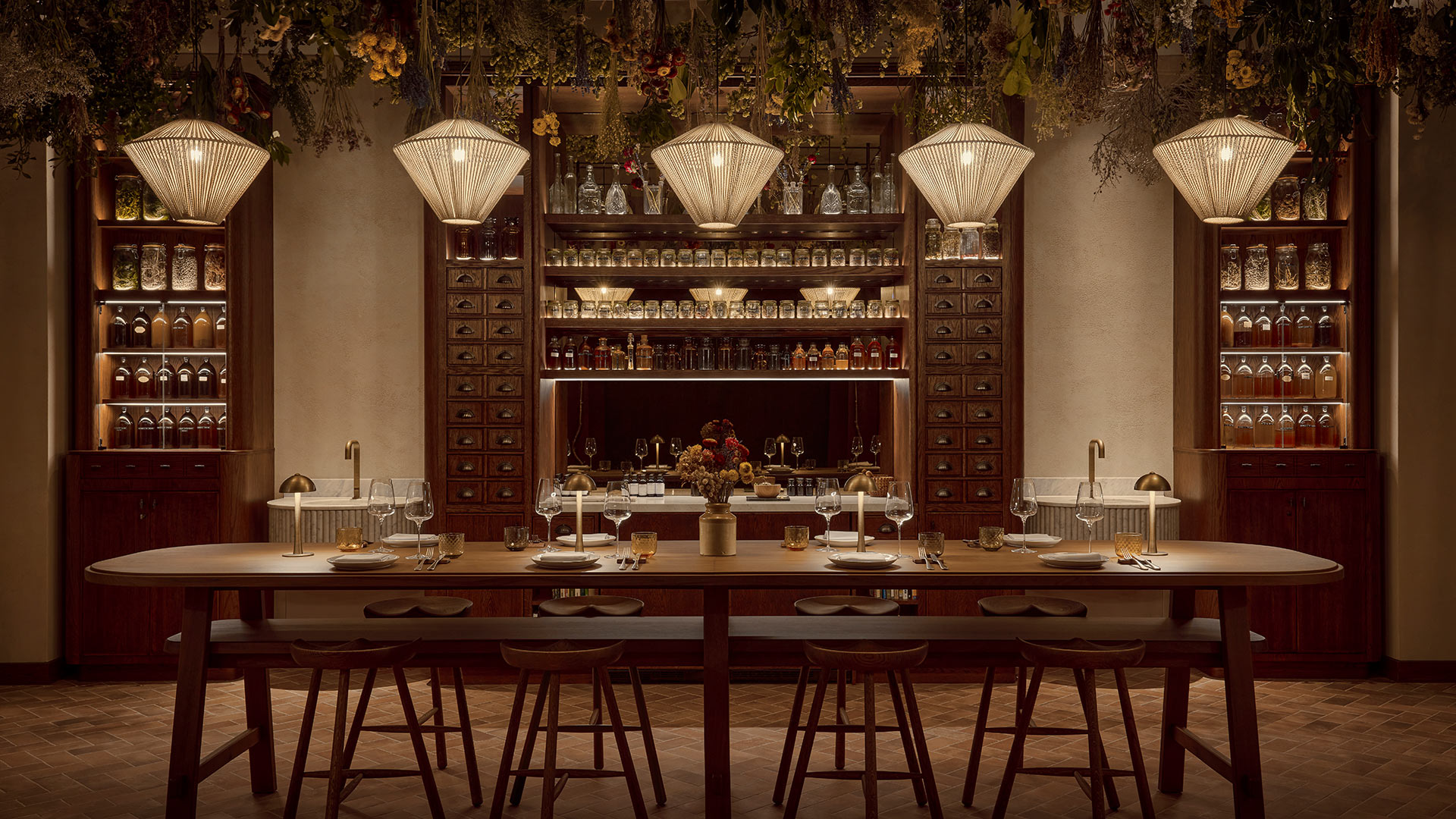
Hotels are no longer just hotels
There is a feeling of energy and optimism in the hospitality industry right now. We’re seeing renewed investment, the influence of a discerning and adventurous consumer, and so many interpretations for what a hotel can be.
Across Europe, and especially in London, there is movement across all areas of the market: momentum in the office-to-hotel conversion space, a steady stream of newly refurbished properties, mixed-use developments, reinvigorated heritage buildings and more boutique offerings from some of the industry’s largest developers and operators.
In the Middle East, brands and developers are pushing hospitality into uncharted territories. Food tourism, sports tourism, astro-tourism, regenerative tourism: almost every type of tourism can now be found. People can move between a high-energy urban development and a remote wellness retreat with relative ease.
At the same time, design is becoming more multidimensional. Wellbeing is now a major differentiator. Private members’ clubs are increasingly being folded into the offer, and the merging of hospitality with F&B and workplace has given rise to juice bars, bakeries, listening bars, coworking spaces, galleries – the list goes on.
So, how do lighting designers respond when hotels no longer follow a conventional path? Projects are more complex than ever, so it’s easy to get sidetracked by a huge list of priorities. We need to focus on the things that matter – interrogating the brief, defining what people want and recognising when to be creative and when to hold back.
Context is everything.
As the considerations involved in hospitality lighting multiply, collaboration needs to begin earlier so we can influence the discussion while ideas are being formed. This might mean helping a client shape the strategy for a spa and navigate the complexities of red-light therapy. Or helping to future-proof the design by advising on energy efficiency, adaptability and maintainability.
The conversation plays out very differently for a London heritage conversion than for a new resort in the Middle East with dark-sky considerations. The rise of ‘glocalisation’ is also putting greater emphasis on sense of place, as global brands are looking for ways to maintain a recognisable identity while responding to local influences. It’s another reason why a one-size-fits-all approach to lighting design no longer works. Understanding the full context at an early stage ensures the lighting responds to the wider strategy.
Diversification of luxury.
At the luxury end of the market, there is more scope to invest in the finer details and incorporate the latest innovations and bespoke lighting elements. We can integrate light in increasingly sophisticated ways to deliver a clean visual aesthetic, improve layouts and build flexibility into the scheme. We can also curate a composition of light that becomes part of a hotel’s identity and its social media presence.
But it’s important to remember that while the luxury space gives us more creative freedom to hone the details, a lighting designer still needs to know where to be imaginative and when to pull back. Travellers are increasingly seeking ways to step away from technology, and for some, disconnection has become the pinnacle of luxury. A simple lighting scheme can contribute to that sense of effortlessness, delivering a stronger sense of quality than any state-of-the-art innovation ever could.
Big design, small budget.
Understanding what the guest wants, and where quality really matters in delivering that experience, is key. The challenge is greater when the ambition is big design and the reality is a smaller budget.
Good lighting does not have to be expensive. Small details can really make a difference, and subtlety and finesse are not exclusive to luxury projects. Knowing where to invest, and when a more affordable solution can achieve the same result, comes down to understanding which manufacturers and products to call upon when there are budget constraints.
The lighting industry has changed in this respect. There is now a broader spread of manufacturers and products across different price points, with more viable options outside of Europe – including China – that can provide credible quality assurances. It’s changed the playing field for designers and given us greater flexibility when working within a budget.
The emotional resonance of light is universal.
While the fabric of hotel design has changed, we still design for people, and to create an emotional connection. Guests can research almost every aspect of a hotel before they arrive, but what they can’t experience through an iPhone or laptop screen are the things that matter most: ambience, character, intimacy, drama, tranquillity.
Light plays an important role in shaping these intangible elements, creating that lasting sense of connection that people take away with them. In a hospitality landscape that is becoming varied and undefinable, keeping that human response at the centre of the design is vital.
Image © Martin Morrell

